Licensed & Insured, NYC Roofing ContractorLicensed & Insured
NYC Roofing & Waterproofing Experts
Free Inspection
Tell us about your roof, we'll get back to you fast with a free inspection and a clear, honest estimate.
Prefer to talk now?
(929) 720-4223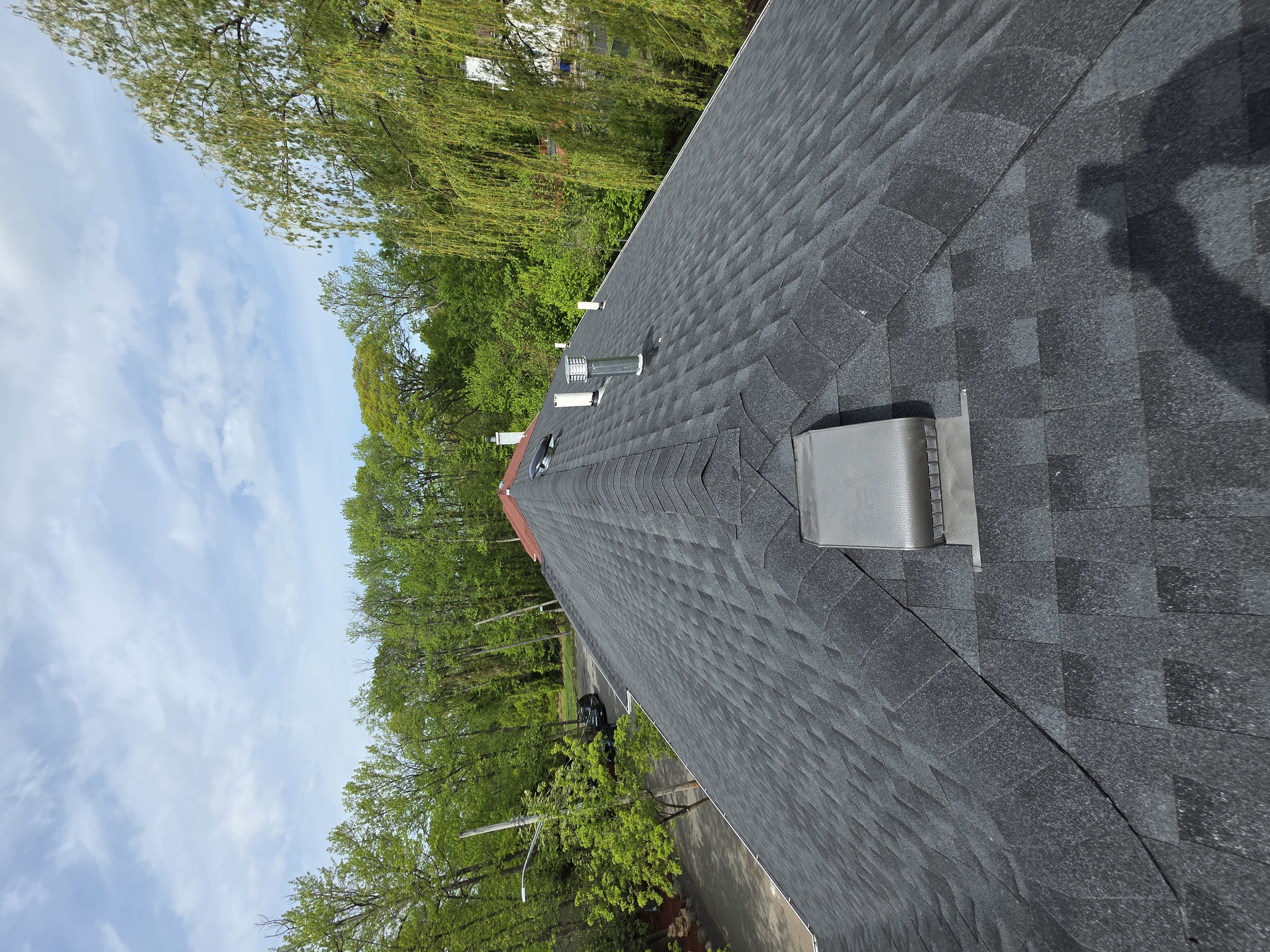
Long Beach roofs deal with a coastal mix that quietly shortens roof life: salt in the air, frequent low clouds and moisture, and steady exposure that wears down sealants and metal components over time. Marine-layer clouds form over the ocean and can move inland, bringing damp conditions that linger on roof surfaces.
Roof On NYC provides Long Beach roof inspection services that focus on the failure points that matter most, so you’re not stuck chasing leaks after the next storm.
A coastal roof doesn’t always fail with a dramatic event. It often fails slowly. Salt-laden air accelerates corrosion on metal components like flashing, fasteners, and vents, which can lead to leaks and premature wear if it’s not caught early. Add in coastal moisture cycles, and small weaknesses can turn into repeat problems that keep coming back.
For pitched roofs, we look for lifted or damaged shingles, worn valleys, and flashing concerns around chimneys, skylights, and vents. Coastal air can also accelerate wear on components and sealants, so we focus heavily on transitions and exposed fastening zones where early damage hides in plain sight.
If you’re planning upgrades like a skylight, inspection is the best time to align the details so your roof stays watertight.
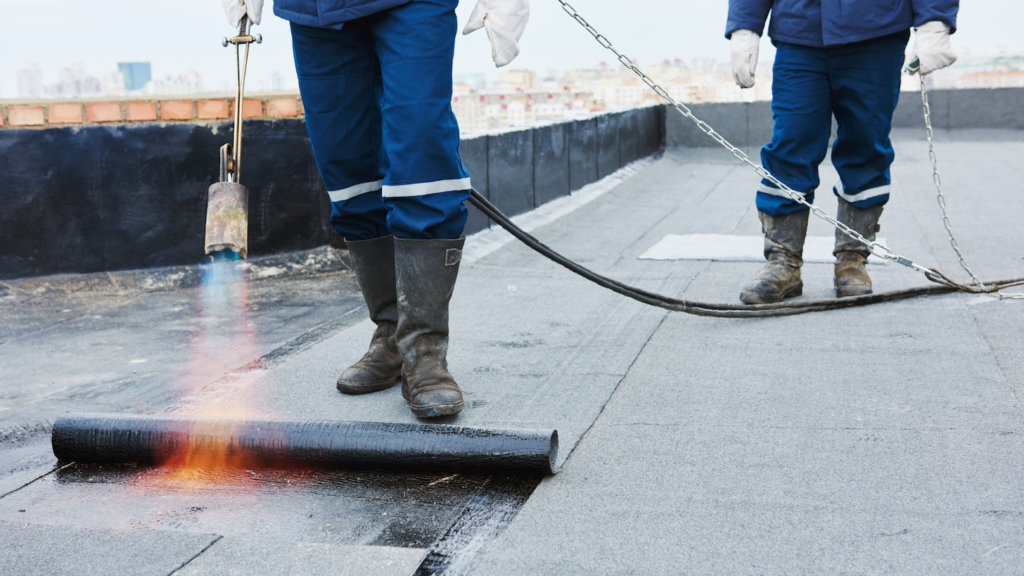
Low-slope roofs don’t forgive poor drainage. During your roof inspection, we look for signs of ponding risk, seam separation, edge breakdown, and weak detailing around penetrations. Coastal moisture and salt can speed up deterioration of seams and metal components, which is why the edge and transition details matter as much as the membrane itself.
If repair is the right move, we’ll keep it targeted. If the roof is nearing the end of its life, we’ll show you the reasons and your options.
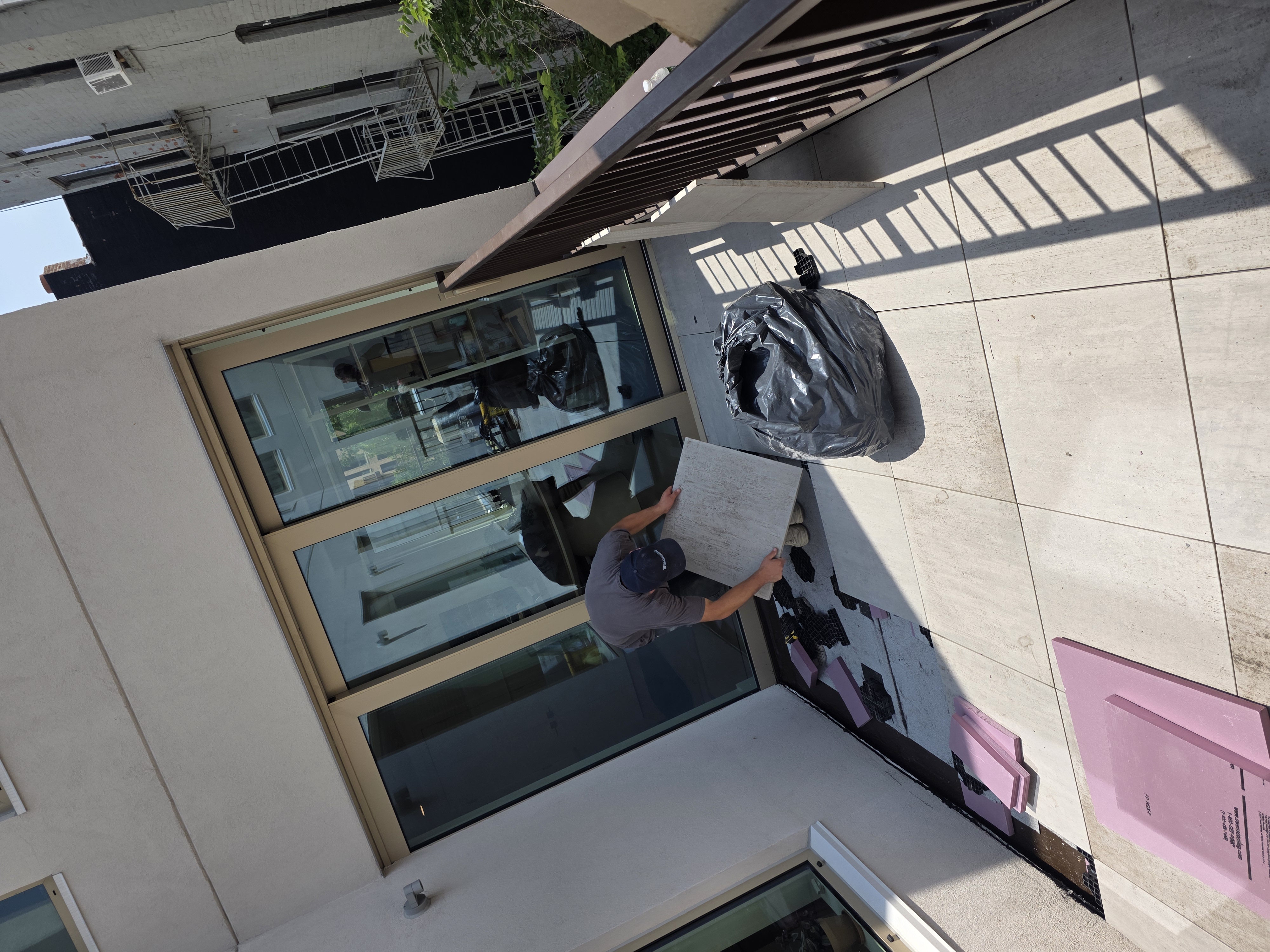
We start by listening to what you’ve noticed and when it happens. Then we inspect the roof surface, edges, penetrations, and drainage. After that, we explain what we found in plain language and provide clear options. If you only need a repair, we’ll say so. If replacement is the smarter long-term decision, we’ll show you why and what the next steps look like.
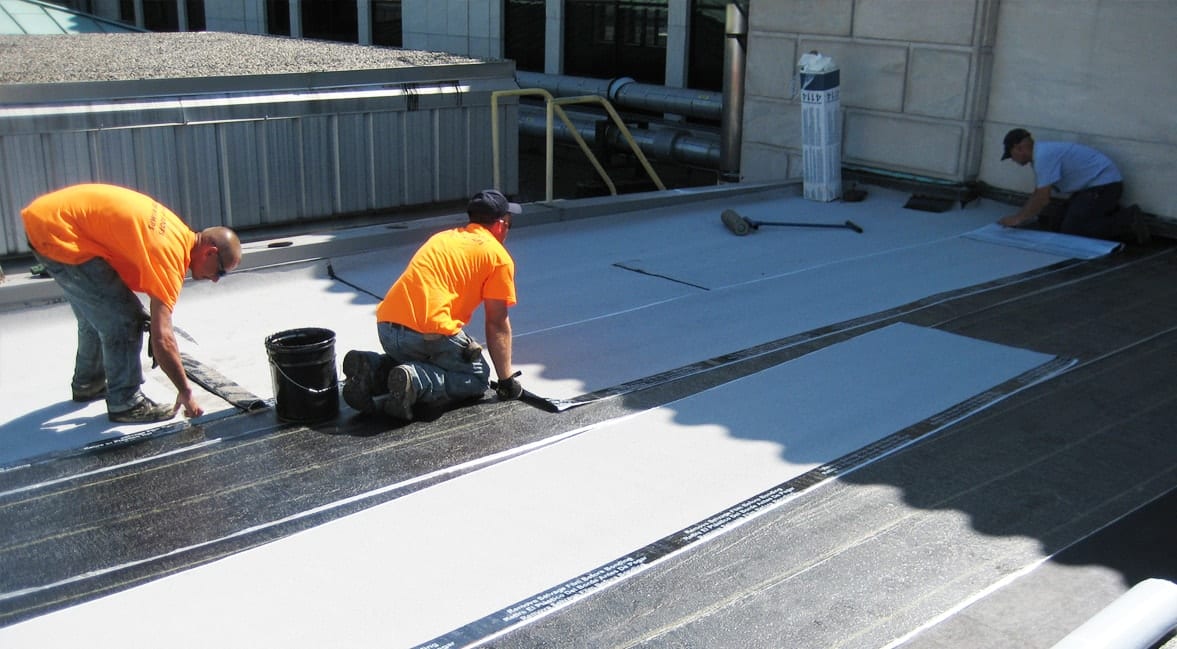
We inspect your roof based on what you actually have (flat, low-slope, or pitched) and we focus on the zones that fail first in coastal conditions. That means we pay close attention to flashing edges, penetrations, seam integrity, drainage behavior, and any areas where salt and moisture tend to collect.
We also connect the dots between what’s happening outside and what you may be seeing inside, because roof leaks often travel before they show up on a ceiling. If you want a simple takeaway, here it is: you’ll know what’s urgent, what’s developing, and what can likely wait, without pressure.
Routine roof inspections uncover small problems before they become costly surprises. Our thorough inspections assess; shingles or membrane condition, flashing and ventilation, gutters and drainage, structural stability, potential leak points. This service is particularly important after heavy storms or high winds, especially if your roof is over 15 years old.
testimonials
Coastal conditions can accelerate wear, so many owners benefit from annual inspections and an extra check after major wind or rain events, especially if the roof is older or has prior repairs.
Salt-laden air is corrosive and can speed up rust and breakdown on exposed metal components like flashing and fasteners, which can lead to leaks.
Drainage behavior, seam health, edge detailing, and penetrations. Those are the places where small failures become repeated leaks.
It depends on roof size, access, and complexity, but many residential inspections are completed within about an hour.
Coverage
Free Inspection · Free Estimate · 25+ Years Warranty
Licensed & Insured · Serving all of New York City