
Expert Tips for Maintaining Your Commercial Roof Before Problems Start
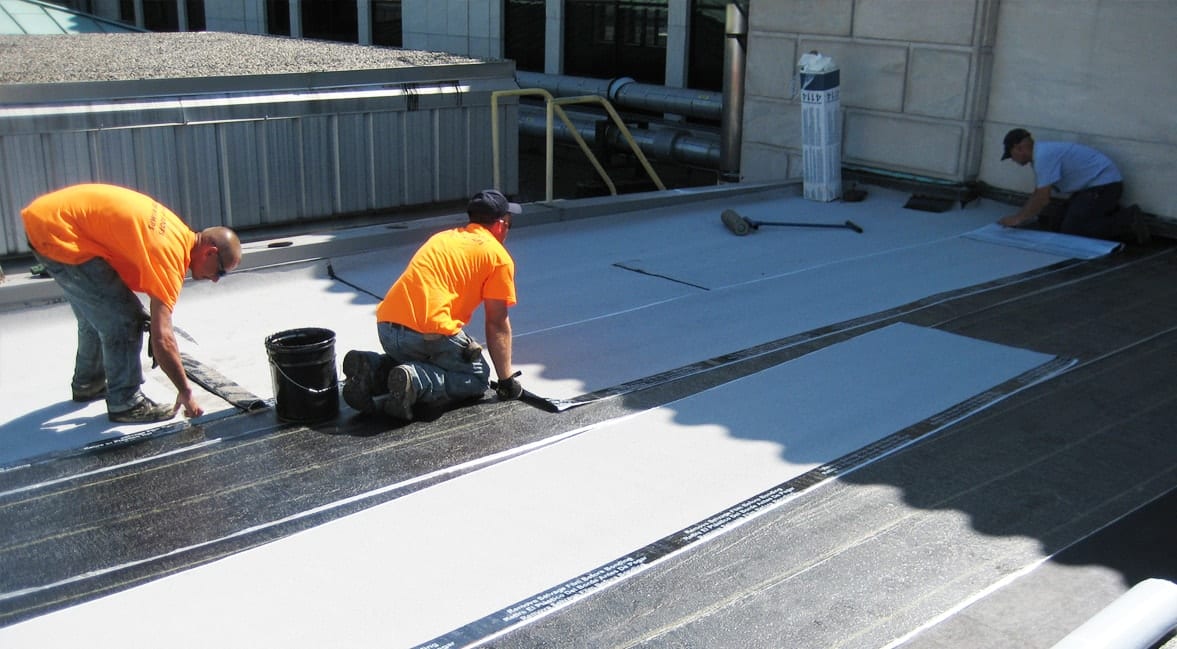
Tips for Maintaining Your Commercial Roof
A few weeks after a big storm, you walk into your warehouse and notice damp carpet, water stains on your ceiling, or even warped ceiling tiles. For many business owners, that moment of dread (“Did my roof fail?”) is all too real. The cost of a full roof replacement can easily spiral into tens of thousands of dollars, not to mention the disruption to operations. But here’s the good news: many of these problems can be prevented or caught early with the right maintenance.
Learning from expert roofing professionals and applying preventive strategies can dramatically reduce the risk of costly damage to your commercial roof. Investing a little time and attention now can help you avoid emergency repairs, extend the life of your roof, and protect your business continuity.
Let’s dive into nine essential tips that facility managers, building owners, and property teams should know.
Schedule Regular Roof Inspections
One of the most effective ways to protect your commercial roof is simply by inspecting it regularly. Experts generally recommend a biannual inspection schedule, once in spring and once in fall, as your baseline.
Why these seasons? Spring inspections let you assess any damage that resulted from winter freeze-thaw cycles, while fall inspections prepare your roof for colder months and heavy precipitation.
- Adjust based on risk: If your roof is older (e.g., over 10 years), or in a harsh climate, more frequent inspections may be needed.
- After significant events: Make a point to always schedule an inspection after harsh weather conditions, such as storms, hail, or high winds. These event-based checks are critical because they help in identifying damage before this damage becomes worse.
- Document everything: Use a detailed roof plan and inspection checklist to mark defects and track maintenance over time.
Clean Gutters and Drainage Systems
The drainage system of a roof is its lifeline. Blocked gutters, scuppers, downspouts, or internal drains result in accumulation of water, leading to ponding, leakages, or even structural stress.
- Regularly clear debris: Leaves, twigs, dust, and building materials can clog drain lines. Inspections must cover the clearing and flushing of these systems.
- Proper Use of Tools: When it comes to built-up roofs or membranes, use soft-bristle brushes or low-pressure water to protect them from deterioration.
- Protection: Consider installing gutter guards or scupper screens to minimize debris accumulation.
- Check slope and alignment: Make sure drainage components are properly pitched toward drains: poor slope can cause standing water. According to roof maintenance experts, ensuring proper drainage is key to extending roof life.
Remove Debris and Leaves from the Roof Surface
Beyond gutters, the roof surface itself must be kept clean. Debris like leaves, branches, and trash not only trap moisture but can also block drains or damage membranes.
- Routine walk-throughs: At least once a quarter (or more, depending on your location), have your maintenance team or a contractor safely walk the roof to spot and remove debris.
- Use protective walk pads: These help prevent damage when personnel need to traverse the roof, especially on sensitive membrane systems.
- Be careful with pressure washing: If you use water to clean, select low-pressure methods and mild cleaners. High-pressure washing can damage membrane seams or coatings.
Technique spotlight: The professionals often use soft wash cleaning (gentle detergent + low-pressure rinse) for TPO, EPDM, or PVC roofs to preserve integrity and avoid weakening roof components.
Inspect and Repair Roof Flashing
Flashing is one of the most vulnerable but critical parts of a commercial roof. It seals joints around vents, HVAC curbs, parapet walls, and skylights. If flashing fails, water can seep in and lead to major damage.
Check all penetrations: During inspections, focus on roof-to-wall transitions, HVAC curbs, and parapet walls. Look for cracks, gaps, or separation.
Common issues to watch for: Loose or rusted flashing, degraded sealants, or flashing that has pulled away due to building movement.
Repair methods:
- Sealant reapplication: Use compatible, high-quality polyurethane or silicone sealants to reseal areas with minor gaps.
- Flashing reinforcement: For more severe damage, a mesh-reinforced flashing repair can strengthen weak points.
- Flashings replacement: In some cases, sheet-metal flashings may need to be fully replaced or re-formed.
Address Minor Leaks Promptly
Small leaks might seem harmless, but over time, they can lead to bigger issues: insulation damage, mold growth, structural decay, and even increased energy costs.
Start with leak detection: Use visual inspection plus infrared thermography or moisture scanning to locate damp spots under the roof without disturbing the membrane. According to maintenance guides, non-destructive testing like infrared is an expert-level tool for detecting hidden moisture.
Temporary fixes vs. permanent solutions:
- Temporary: Patching with a compatible roof cement or sealant can stop water entry quickly.
- Permanent: Cold-applied flashing repair, hot mopping of patches on built-up roofs, or replacement of the damaged membrane sections should be considered for long-term reliability.
- Document all repairs: Keep records of photos plus a written summary to track recurring leak spots and help you decide when a more comprehensive repair or reroof is needed.
Maintenance of Roof Coatings and Sealants
Protective coatings act like a shield for your commercial roof to help reflect UV rays, minimize thermal stress, and extend the life expectancy of your roof. But they need to be maintained.
Types of coatings:
- Acrylic coatings: Universal, budgetary option, and UV-resistant.
- Silicone coatings: Excellent for ponding water areas because they resist water absorption
- Polyurethane coatings are tough and resistant to impacts, hence generally applied industrially.
Maintenance schedule: Re-coat every few years depending on manufacturer recommendations and environmental wear. Many roofing contractors suggest a reapplication every 5-10 years for optimum protection.
Sealant maintenance: All sealants (around flashings, seams, vents) should remain flexible. Reapply or repair with high-grade products before they crack or fail.
Inspection technique: Performing adhesion testing or pull-off testing during inspections checks coating integrity. This is what experienced roof consultants do to make sure your coating is still performing.
Trim Overhanging Trees
Trees around the building may look nice, but overhanging branches pose a real threat to your roof.
Risk factors include branches scratching or puncturing roof membrane, leaves clogging gutters, bird nests in the debris, and an increased shade fostering moss or algae.
Safe practices:
- Trim branches back at least a few feet from the roof edge.
- Cutting: Professional arborists or tree-care services should be used in order to avoid damaging the roof.
- Regularly remove small twigs and organic matter to prevent decay and moss growth.
- Long-term planning: If your building is surrounded by many trees, consider a vegetation management plan that corresponds with your roof maintenance schedule.
Benefit: Appropriately maintained trees reduce the physical damage to your roof, minimize drainage issues, and save you from expensive membrane repair or flashing replacement.
Monitor Roof for Signs of Wear and Tear
Even with regular inspection and maintenance, roofs age-and recognizing the early warning signs is key to preventing them from turning into emergencies.
Here are common signs of deterioration.
- Blistering: A raised bubble-like area of the membrane usually shows moisture trapped beneath it.
- Cracking/seaming: Cracks, especially in older or more rigid membranes, can occur at seams and around fasteners.
- Punctures: These are caused by foot traffic, dropped tools, or debris.
- Shrinkage: Some single‑ply membranes (such as EPDM) shrink over time, pulling away from flashings or walls.
- Loose or missing fasteners: On a metal roof, fastener degradation or panel movement might compromise the waterproofing. Sagging/deflection: a weak roof deck or some structural failure can result in sagging, which is normally followed by ponding.
- Rust or corrosion: On metal roofs, watch for rust around seams or fasteners.
Expert technique: Use infrared thermography or nuclear moisture meters for non-destructive evaluation of insulation and membrane. The RCABC Roof Maintenance Guide recommends these for detecting moisture without taking apart the roof.
Hire Professional Roof Maintenance Services
While in-house maintenance is valuable, there’s a huge benefit to engaging commercial roof maintenance experts.
- Why professionals matter: Certified inspectors understand the nuances of different roofing systems (TPO, EPDM, BUR, metal) and know where common failures occur.
- Advanced tools and techniques: Expert roofers use drone inspections, infrared moisture scanning, pull-off adhesion tests, and thermal imaging to uncover damage invisible to the naked eye.
- Safety and compliance: Professionals ensure maintenance complies with manufacturer warranty requirements and safety regulations.
- Cost‑effectiveness: Properly implemented maintenance contracts can significantly delay the need for a roof replacement, saving your business potentially 20-40% of roof lifecycle costs.
Conclusion
Maintaining a commercial roof isn’t just a maintenance checklist. It’s a strategic investment in your business’s future. By following these nine expert‑backed tips, you can catch small problems early, extend the lifespan of your roof, and potentially save on major commercial roof repair costs down the road.
If you haven’t scheduled your next inspection yet, now is a smart time to act. Whether it’s spring or fall, reach out to a certified roofing professional to get a thorough check-up. Roof On NYC offers professional roof inspections, maintenance, and repairs with licensed, insured experts who understand local building needs. Call today to schedule your free inspection and safeguard your roof.