
How Often Should You Replace a Roof in NYC?
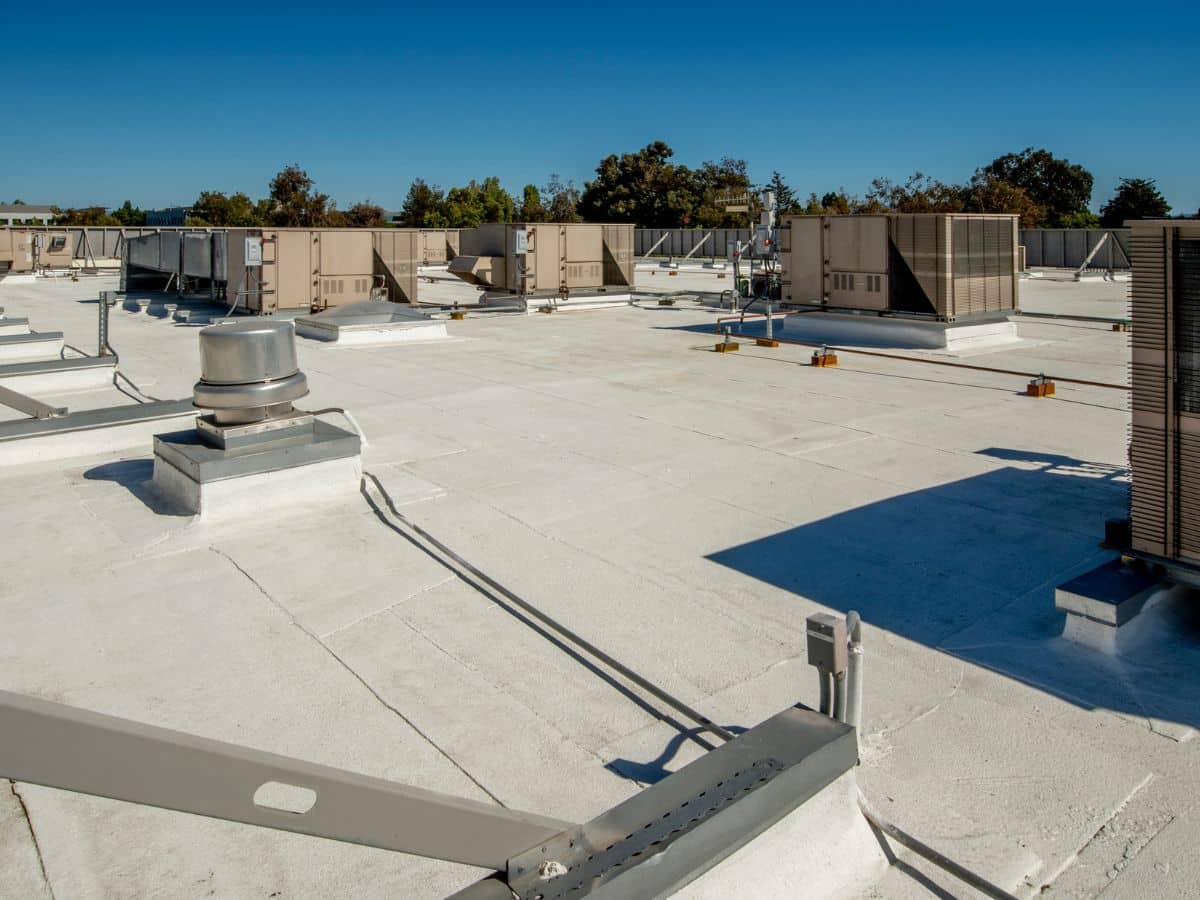
There's no single answer to how often you should replace a roof and anyone who gives you one without knowing your building, your material, or your maintenance history is guessing. What we can do is give you real timelines by roof type, explain what shortens or extends those timelines in New York City specifically, and help you figure out where your roof actually stands right now.
Lifespan by Roof Type in NYC
Different materials age at very different rates, and NYC's climate adds its own pressure on top of manufacturer estimates. Here's what we see in the field:
EPDM (Rubber) Flat Roof: 15 to 25 years The most common flat roof material on Brooklyn brownstones and row houses. A well-installed EPDM roof with proper drainage and annual inspections can reach the upper end of that range. Neglected drainage cuts it significantly shorter.
TPO Membrane Flat Roof: 20 to 30 years TPO is increasingly the material of choice for new flat roof installations in NYC, especially on buildings covered by Local Law 92 and 94 cool roof requirements. Heat-welded seams hold up well against NYC freeze-thaw cycles, and reflective surfaces reduce heat stress on the membrane.
Modified Bitumen Flat Roof: 10 to 20 years Older and more common on buildings installed in the 1990s and early 2000s. If your building has modified bitumen and it's approaching 15 years, it's worth having a roof inspection done before you start seeing interior symptoms.
Asphalt Shingles: 20 to 30 years Standard for detached homes in Staten Island, the Bronx, and parts of Queens. NYC's temperature swings from below freezing in January to 90°F+ summers put more stress on shingles than you'd see in more temperate climates. Budget-grade shingles at the lower end of this range, architectural shingles toward the upper end.
Metal Roofing: 40 to 70 years The longest-lasting option across the board. Higher upfront cost, but for building owners planning to hold a property long-term, the math often works out in metal's favor. Gutters and metal installation done properly at the same time extends the system's life further.
Slate or Tile: 50 to 100 years Rare in NYC residential but present on older institutional and historic buildings. These roofs outlast everything else when the substrate and flashing are maintained. The vulnerability is usually the flashing and underlayment, not the slate itself.
What Shortens a Roof's Life in NYC Specifically
Material lifespan estimates assume reasonable conditions. NYC throws a few specific challenges at every roof that you won't find in the national averages:
Freeze-thaw cycling: New York winters regularly push temperatures above and below freezing multiple times in a single week. Water that penetrates even a small crack expands when it freezes, widening that crack with every cycle. This is the primary reason NYC roofs fail earlier than roofs in warmer climates.
Ponding water on flat roofs: Any water sitting on a flat roof for more than 48 hours is actively degrading the membrane. Clogged drains after a nor'easter are one of the most common preventable causes of premature flat roof failure we see across Brooklyn, Queens, and Manhattan.
Deferred maintenance: A small blister on an EPDM membrane costs a few hundred dollars to fix. Left alone through one more winter, it becomes a leak. Left alone another season, it becomes a rotted deck. The repair vs replace math changes dramatically based on how long issues sit.
Foot traffic: Flat roofs in NYC often double as rooftop terraces, HVAC access platforms, or building maintenance pathways. Every unprotected footstep on a membrane causes micro-damage. Roofs without proper walkway pads age faster.
Poor original installation: This one is harder to know until problems surface, but a roof installed without proper flashing, without adequate drainage slope, or with substandard materials will fail years ahead of schedule regardless of how well it's maintained afterward. It's one reason we always recommend a professional inspection on any property you're purchasing.
Warning Signs Your Roof Needs Replacing, Not Just Repairing
A repair makes sense when damage is isolated and the rest of the roof has years of life left. Replacement makes sense when the roof has reached end-of-life or when repairs are becoming frequent enough that the cumulative cost is approaching replacement cost anyway.
Signs that point toward replacement rather than repair: visible cracking, blistering, or shrinkage across large sections of a flat roof membrane; shingles that are curling, cupping, or losing granules across the whole roof rather than in one area; water stains on ceilings in multiple rooms; a roof that has already had two or more patches in recent years; any roof that's within a few years of its expected lifespan end. The warning signs covers this in more detail specifically for flat roofs.
How Often Should You Have Your Roof Inspected?
Twice a year is the standard we recommend once before winter sets in, typically October, and once after winter ends, typically April. NYC winters are hard on roofs and spring inspection catches anything that developed over the cold months before it has a chance to worsen.
If your roof is over 15 years old, annual inspections aren't enough. At that age, anything can change between seasons and catching problems early is the difference between a repair and a full replacement. Our roof inspection and maintenance service covers Brooklyn, Astoria, Staten Island, Long Beach, and surrounding areas.
The Bottom Line
If your flat roof is under 10 years old and well-maintained, you likely have years left. If it's 15 to 20 years old, you should be inspecting it annually and budgeting for replacement in the near term. If it's over 20 years old and hasn't been replaced, the question isn't whether it needs replacing it's how soon.
For shingle roofs, a 25-year-old roof in NYC has done its job. A 15-year-old roof that was installed correctly and maintained properly may have another decade left, but it needs to be inspected to confirm that.
The most expensive thing you can do is wait until there's visible interior damage to act. By that point the roof membrane, insulation, and often the decking all need addressing. Check out our cost guide to understand what replacement realistically costs in NYC, and what drives that number up or down.
Not sure where your roof stands? We'll tell you honestly.
📞 Call or text (929) 720-4223 📧 roofonweb@gmail.com 📍 530 83rd St, Brooklyn, NY 11209 | Mon-Sun 24/7 Get a Free Inspection
Related reading:
- How Much Does It Cost to Replace a Roof in NYC?
- Do You Need a Permit to Replace a Roof in NYC?
- Flat Roof Repair in Brooklyn: Warning Signs Every Homeowner Should Know
- Expert Tips for Maintaining Your Commercial Roof